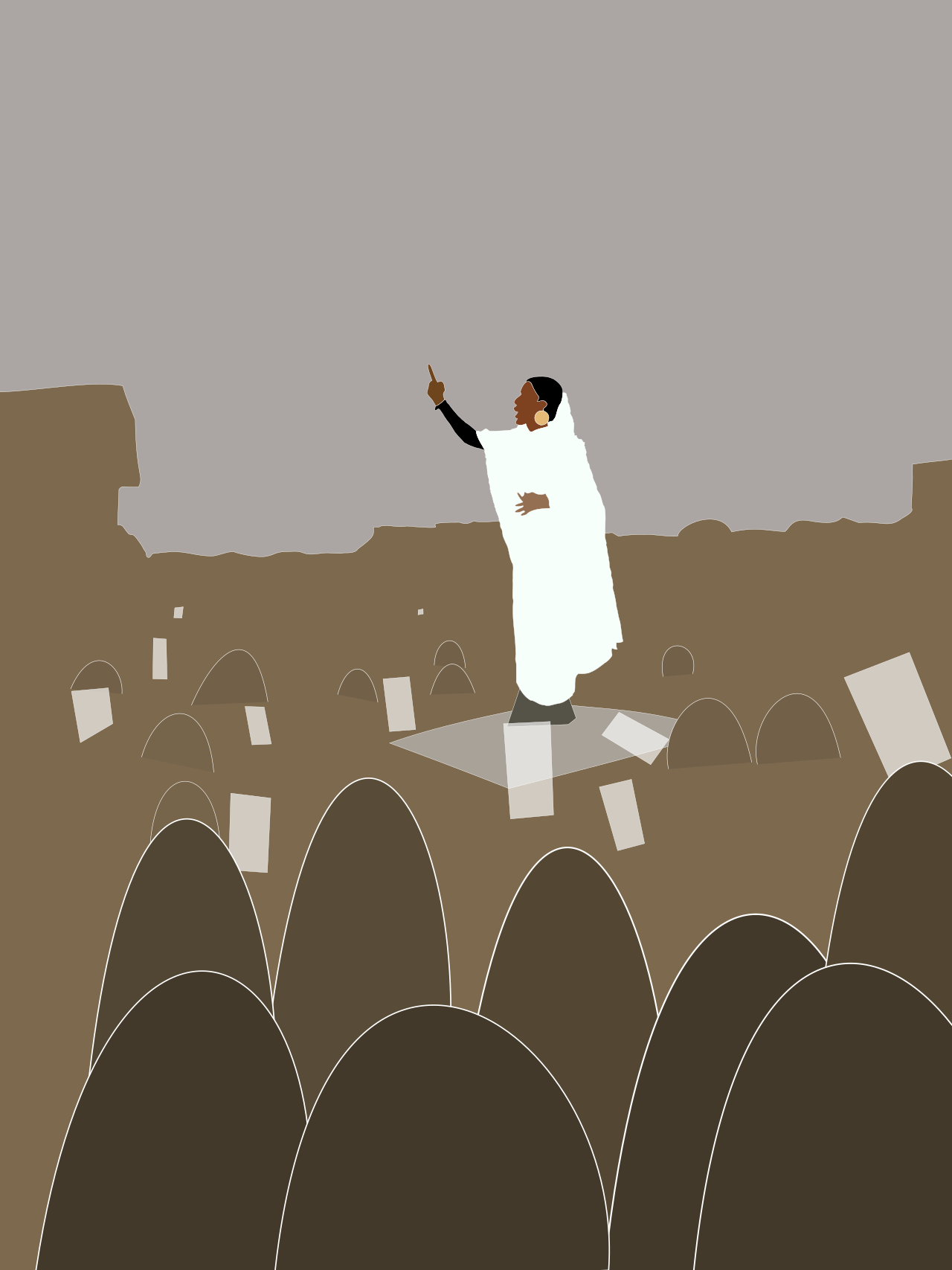
Sudanese revolution
Eight-month uprising that ousted Omar al-Bashir after 30 years.

Daehan · CC0
- Location
- Sudan
- Key outcome
- Deposition of President Omar al-Bashir; creation of Sovereignty Council
- Known for
- Sustained civil disobedience; Khartoum massacre; transition to mixed military-civilian government
Lore & Background
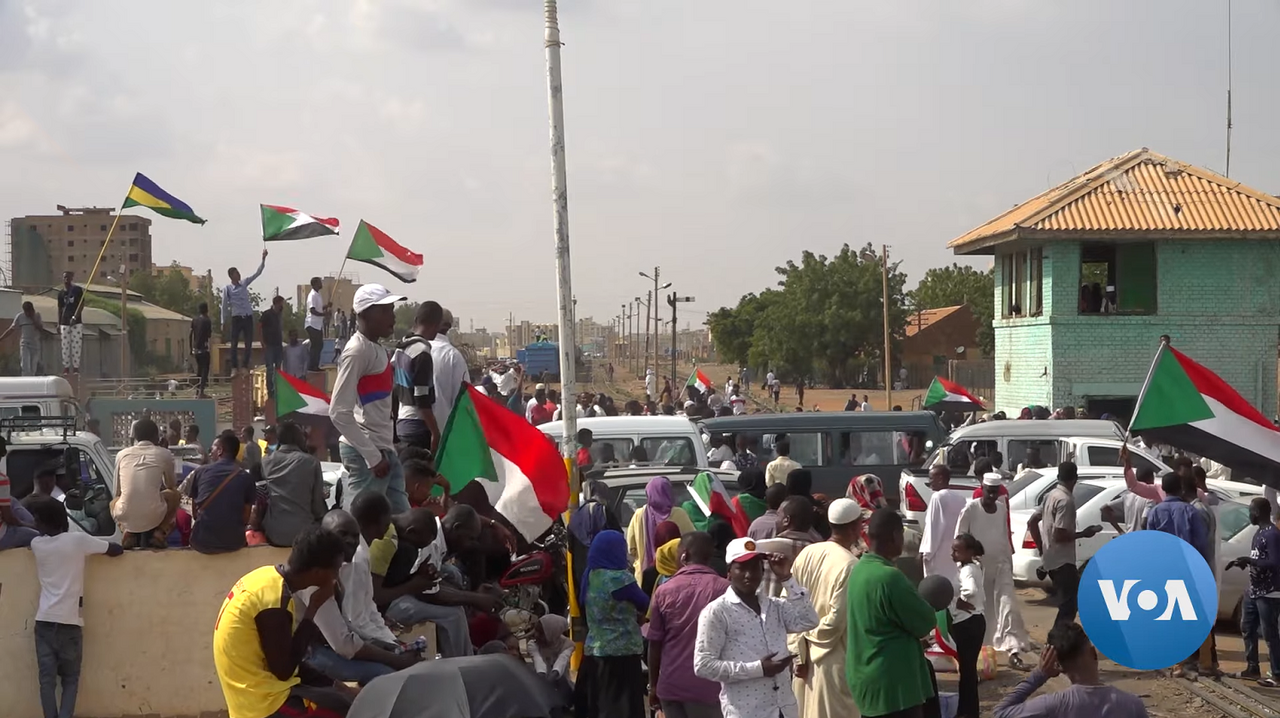
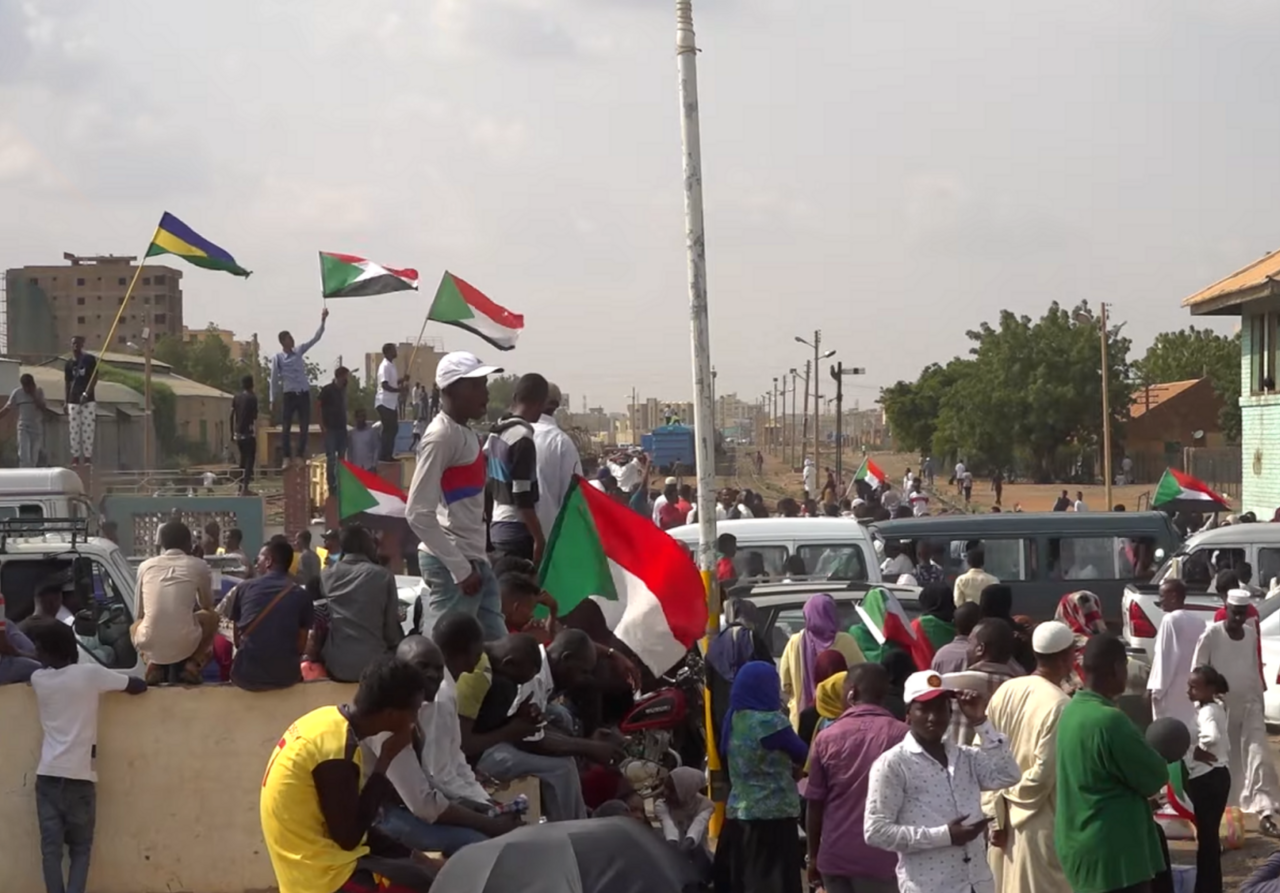
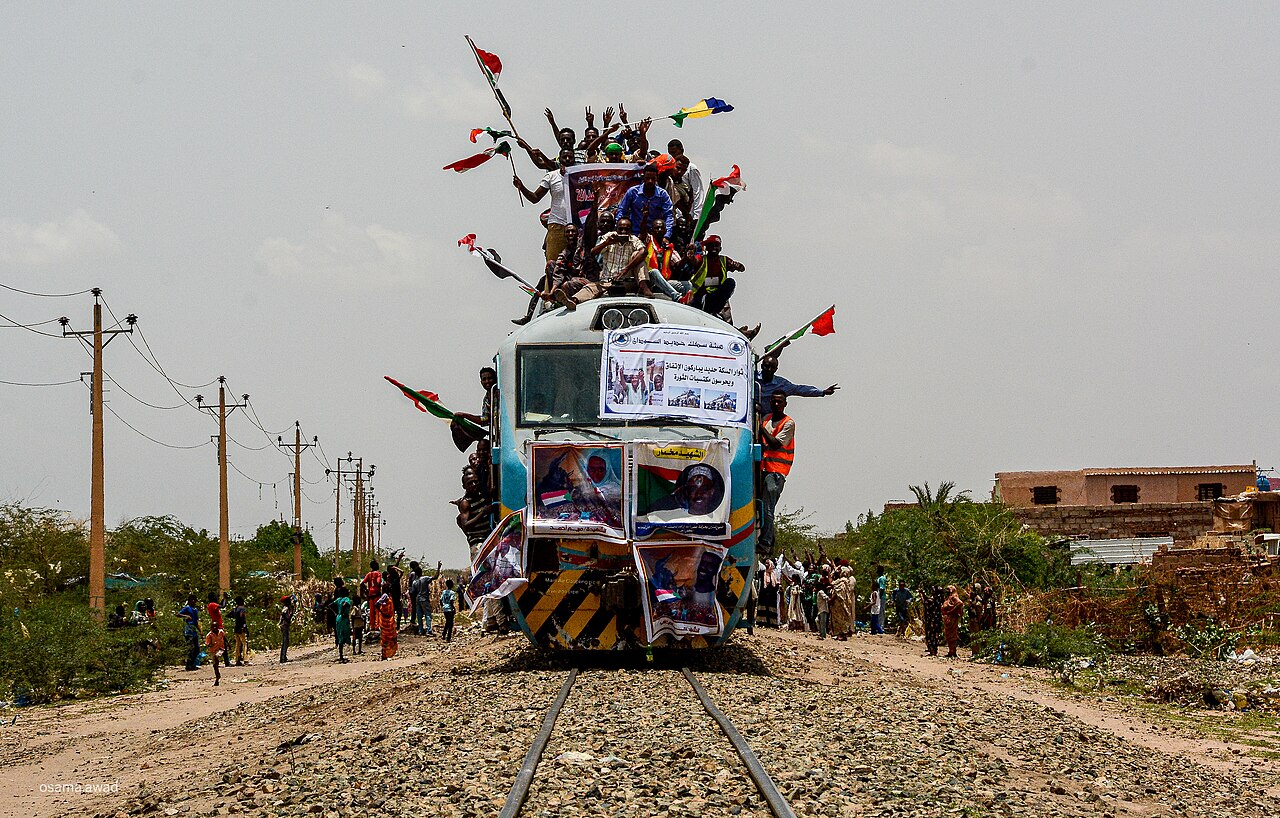
The protests quickly turned into demands for President Omar al-Bashir to step down. The government's violent response drew international concern. On 8 March, he announced the release of women jailed for protesting. Massive protests resumed on 6–7 April, and on 11 April the military removed al-Bashir in a coup d'état. After the coup, street protests organized by the Sudanese Professionals Association and democratic opposition groups continued, calling on the ruling Transitional Military Council to step aside for a civilian-led government. Opposition groups responded with a three-day general strike from 9–11 June and calls for sustained civil disobedience. On 12 June, the opposition agreed to stop the strike and the TMC agreed to free political prisoners. The transition plan created the Sovereignty Council as a mixed military-civilian head of state, with leadership transferring from a military to a civilian leader after 21 months, for a total 39-month transition period leading to elections. The TMC was dissolved on 20 August, Abdalla Hamdok was appointed prime minister on 21 August, and a mostly civilian cabinet was announced in early September. Nemat Abdullah Khair was appointed Sudan's first female chief justice on 10 October.
Reader's Guide
The Sudanese revolution represents a pivotal moment in Sudan's modern history, marking the end of Omar al-Bashir's three-decade rule through a combination of street protests, civil disobedience, and a military coup. Its significance lies in the sustained, largely peaceful mobilization of diverse groups—including the Sudanese Professionals Association, women's movements, and youth—that forced political change despite violent repression, most notably the Khartoum massacre. The revolution's legacy is embodied in the transitional institutions established by the Political Agreement and Draft Constitutional Declaration: a mixed military-civilian Sovereignty Council, a civilian prime minister, and a cabinet with female ministers and the country's first female chief justice. However, debates persist over the revolution's definition and scope. The revolution's slogan—'freedom, peace and justice'—was adopted by Prime Minister Hamdok as the program for the transitional period, though the transition faced continued street protests and challenges in implementing its goals.
Did You Know?
- The transition plan created a 39-month period of mixed military-civilian rule leading to elections.
The Power Struggle That Ignited War
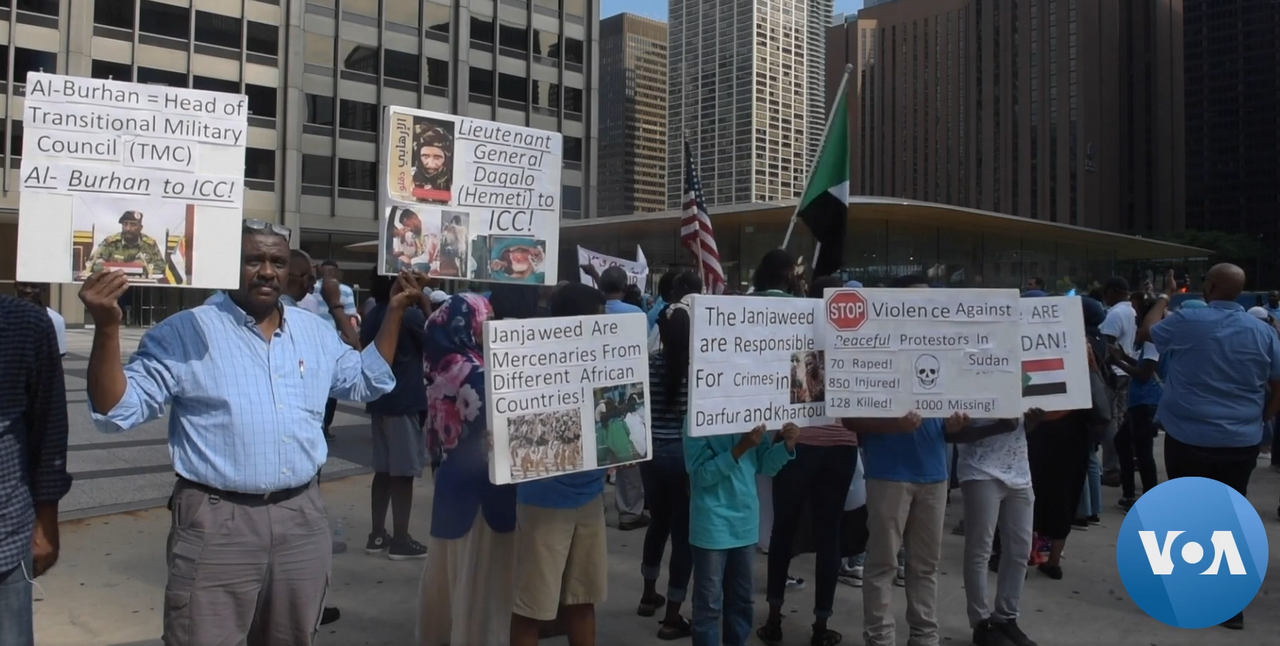
The 2023 Sudanese civil war did not emerge from a vacuum. Its roots lay in the transitional administration that followed the 2021 military coup, within which a fundamental question went unresolved: how would the Rapid Support Forces, a paramilitary force born from the Janjaweed militias of the Darfur conflict, be absorbed into the regular Sudanese Armed Forces? That integration question became a zero-sum power struggle between General Abdel Fattah al-Burhan, who commanded the SAF and the internationally recognized government, and General Hemedti, who led the RSF and the rival Government of Peace and Unity. On 15 April 2023, the standoff shattered into open combat. RSF units struck government installations across Khartoum and other cities, and the Battle of Khartoum became the war's opening chapter. Fighting quickly spilled westward into Darfur. The capital split between the two camps, and al-Burhan's government relocated to Port Sudan. Smaller armed groups—SPLM–North, the Tamazuj militia, Sudan Liberation Movement splinters, and the Justice and Equality Movement—aligned with one side or the other, multiplying the conflict's complexity.
A Nation in Freefall: The Humanitarian Catastrophe
By mid-2026, the war had produced one of the largest displacement crises in modern history. More than 14 million Sudanese had been forcibly uprooted from their homes, and 4.5 million crossed borders as refugees. Inside the country, the humanitarian picture was staggering: 25 million people faced severe food insecurity, four million children suffered acute malnutrition, and 770,000 of those children stood at imminent risk of dying. Famine had been confirmed in multiple regions. Hospitals closed en masse, disease outbreaks spread unchecked, and humanitarian supplies were looted. In Khartoum State alone, 61,000 people had perished, 26,000 of them direct victims of violence. Sexual violence was reported as widespread. The United Nations under-secretary for humanitarian affairs, Tom Fletcher, called Darfur the "epicenter of human suffering in the world." Half the population was in urgent need of assistance, and the near-total collapse of education and infrastructure left an entire generation without basic services.
El Fasher and the Question of Genocide
The fall of El Fasher represented the war's darkest chapter. The city, the SAF's final stronghold in Darfur, had been under RSF siege since April 2024. When it finally capitulated on 26 October 2025, the aftermath was catastrophic. One estimate placed the death toll in the city and surrounding villages between 60,000 and 70,000; satellite imagery analysis pushed that figure as high as 150,000, making it the largest single massacre of the twenty-first century. Many of those killed were civilians targeted as part of what observers identified as the Masalit genocide. The RSF and its allied militias had long been accused of ethnic cleansing against the Fur, Masalit, and Zaghawa peoples, and RSF leaders faced ICC indictments for genocide, war crimes, and crimes against humanity. On 7 January 2025, the United States government formally determined that the RSF and allied militias had committed acts of genocide. The broader death toll of the war—spanning direct violence, starvation, and disease—remains difficult to quantify, with thousands still missing or killed in targeted massacres.
Foreign Hands and Failed Diplomacy
The conflict has been deeply shaped by external actors. Russia, Turkey, Saudi Arabia, Iran, Egypt, Ethiopia, and the United Arab Emirates all exerted influence, while spillover from wars in the Central African Republic, Chad, and Libya compounded the regional instability. Diplomatic efforts, most notably the 2023 Jeddah Declaration, failed to halt the fighting, and no lasting ceasefire has been achieved despite ongoing negotiations. The United States, United Kingdom, European Union, and Canada imposed sanctions on entities tied to both factions over ceasefire violations and human rights abuses. Yet enforcement proved fragile: despite official denials, the UAE was found to be shipping Chinese weaponry to the RSF in violation of those sanctions. The RSF, in turn, largely financed its operations through gold exports to the UAE. International calls mounted for a halt to arms supplies, stronger legal protections for humanitarian workers, and expanded refugee support. The interplay of foreign interests, sanctions evasion, and the RSF's gold-driven economy created a feedback loop that sustained the war well beyond what domestic grievances alone could explain.
Gallery
More in African Conflicts And Colonialism 1-17
Spotted an error? Know more?
This is a living reference — every entry is fact-audited, and reader corrections feed straight into our audit queue. Suggest an edit · See this site's audit record