Somali Civil War
Ongoing civil war stemming from resistance to Siad Barre's regime.

X-Wu-Z · CC BY 4.0
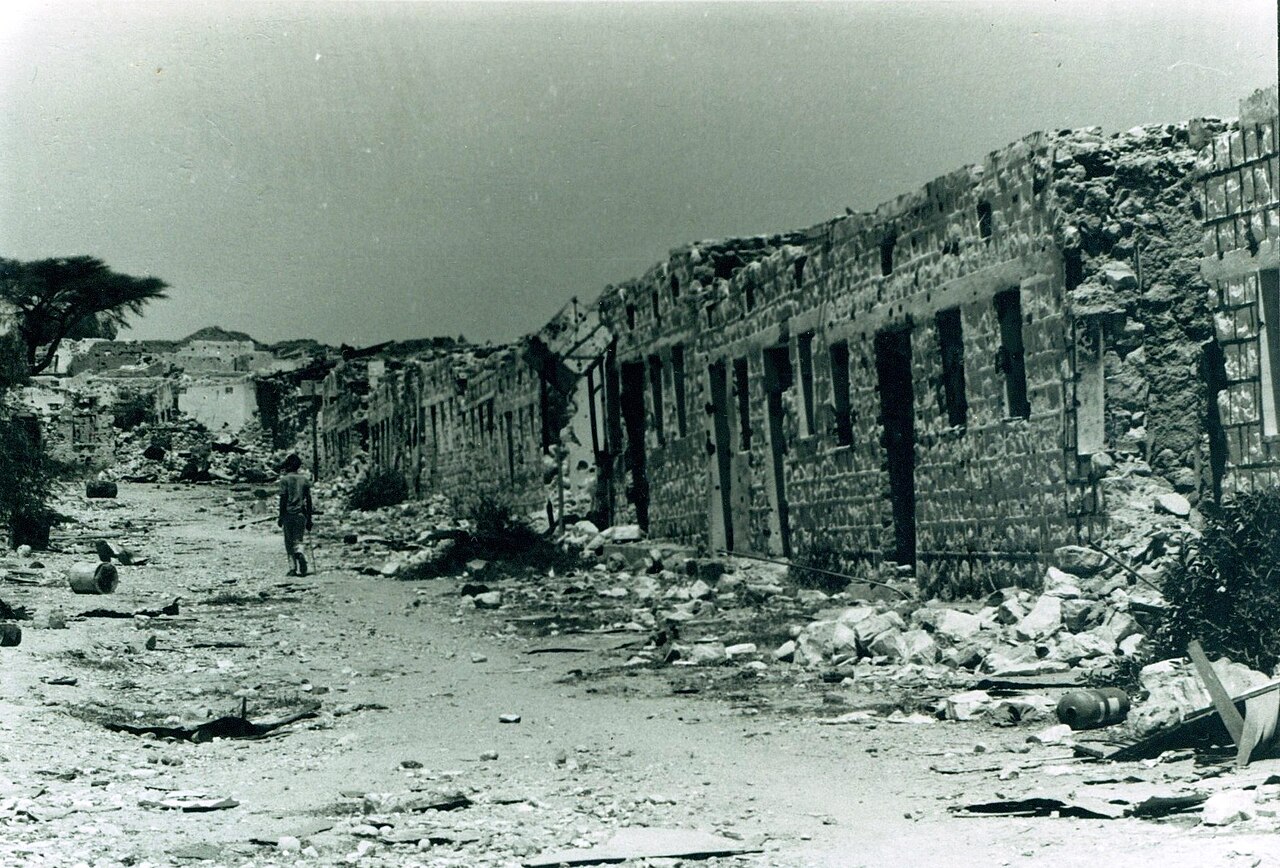
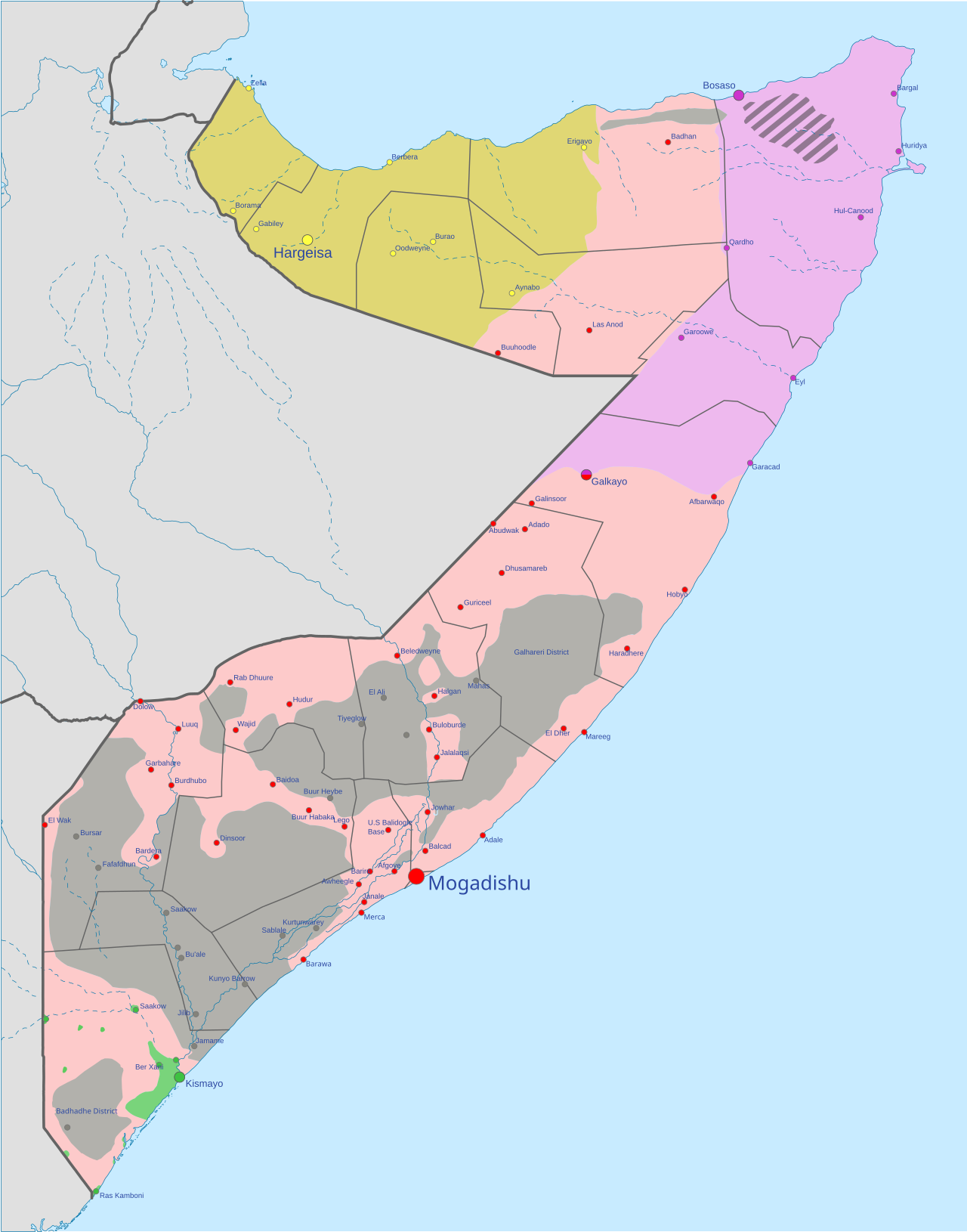
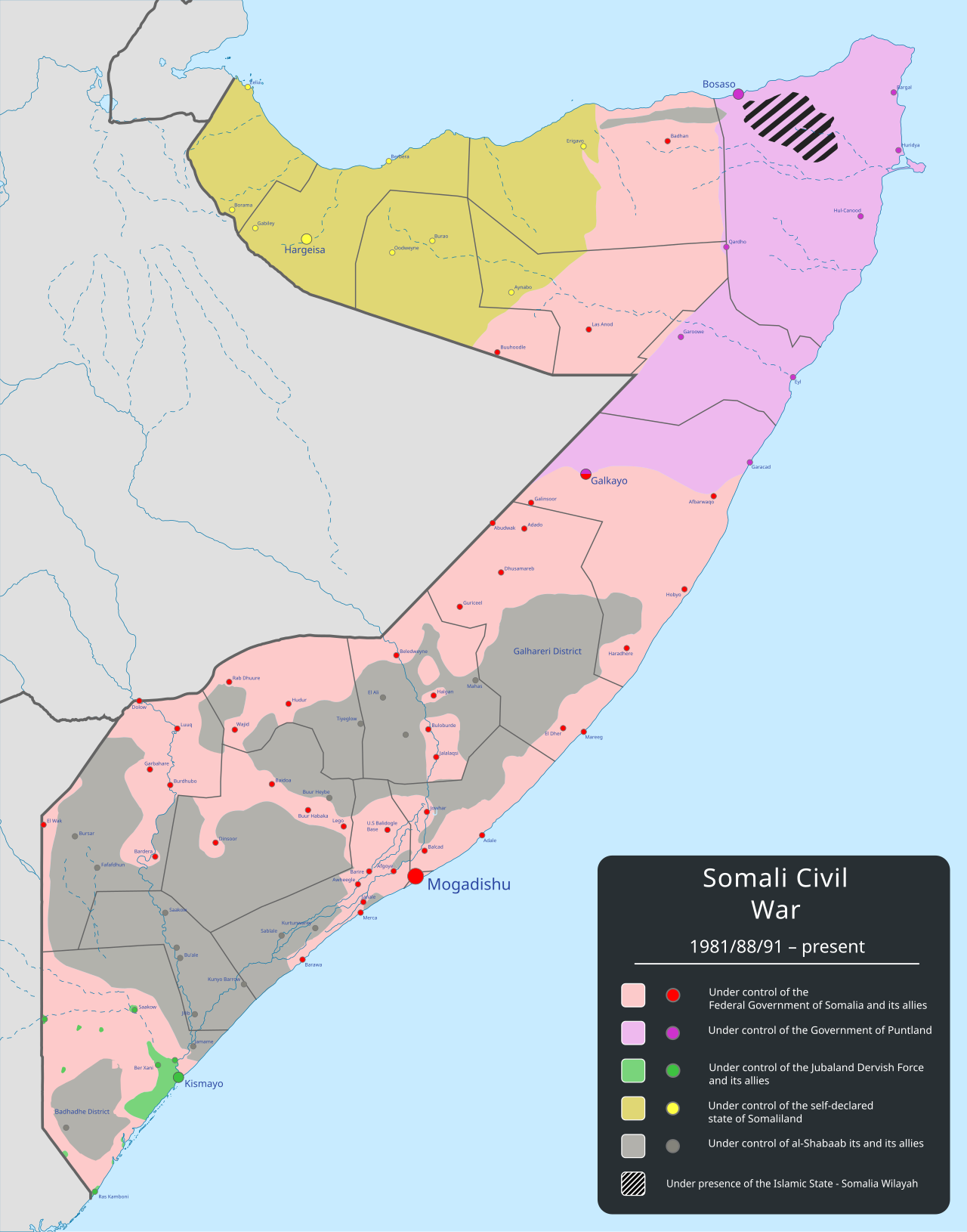
The Somali Civil War is an ongoing civil war in Somalia that began as resistance to the military junta led by Siad Barre during the 1980s.
- start_year
- 1980s
- type
- Civil war
- location
- Somalia
- key_opposition_groups
- Somali Salvation Democratic Front, Somali National Movement, United Somali Congress
- aftermath
- Failed state, establishment of Somaliland and Puntland, rise of Al-Shabaab
Lore & Background
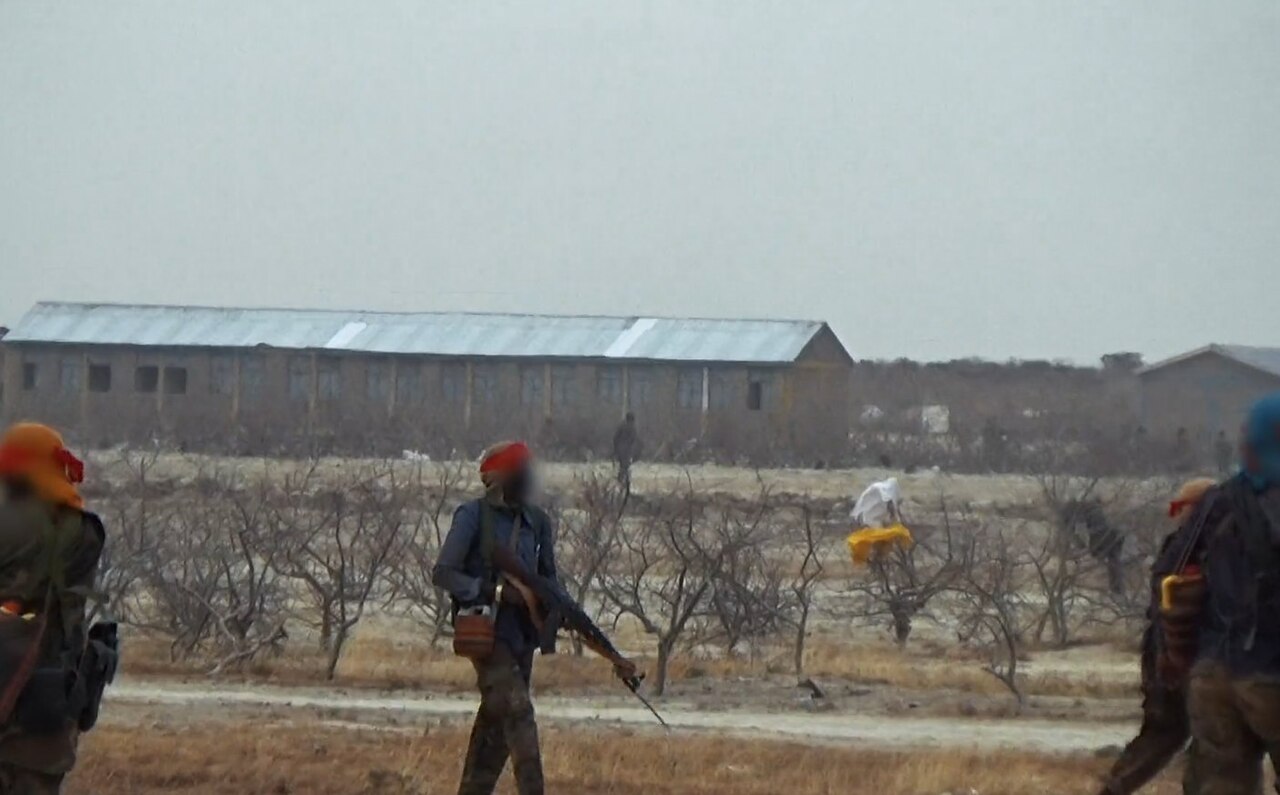
The Somali Civil War grew out of resistance to the military junta led by Siad Barre during the 1980s. After the central government's collapse, various armed factions began competing for influence, particularly in the south. In the absence of a central government, Somalia became a failed state. The ICU effectively disintegrated, and soon after a large scale insurgency began. Al-Shabaab rose to prominence in this period and has since been fighting the Somali government and the AU-mandated AMISOM peacekeeping force.
Reader's Guide
The Somali Civil War represents one of the most prolonged and destructive conflicts in modern African history, transforming Somalia from a unified state into a failed state characterized by clan-based factionalism, humanitarian crises, and international intervention. The war's origins lie in the authoritarian rule of Siad Barre, whose repressive tactics—including the genocide of thousands of Isaaq tribesmen and aerial assaults on civilian areas—fueled armed opposition. International efforts, including UN peacekeeping missions in the 1990s and the African Union's AMISOM force, have attempted to restore stability but have faced persistent insurgency, particularly from Al-Shabaab.
Did You Know?
- The Somali Civil War grew out of resistance to the military junta led by Siad Barre during the 1980s.
The War's Devastating Toll and the Road to Civil War
The Ogaden War's aftermath proved far more consequential than the eight-month conflict itself. Somalia lost nearly a third of its regular army personnel, three-eighths of its armored formations, and an entire half of its air force during the campaign. What remained was a shattered, disorganized military that had lost both its equipment and its morale. The population, which had already expressed heavy disapproval of the war's conduct, found itself staring at a government that had gambled national resources on a campaign ending in territorial defeat. Within the ranks of the weakened Somali National Army, resentment festered. Officers and soldiers who had watched their comrades fall at Harar and Jijiga, who had seen their aircraft shot down and their tanks destroyed, turned their frustration inward. This military discontent erupted into a revolt that spiraled beyond control, igniting the Somali Civil War that would consume the nation for decades. The Ogaden War, in essence, did not merely end with the March 1978 declaration of regained border posts—it planted the seeds of a far longer, more destructive internal conflict.
The Soviet-Cuban Rescue and the Military Reversal
Somalia's July 1977 invasion of the Ogaden appeared to be heading toward a decisive Somali victory until the geopolitical landscape shifted dramatically. The Soviet Union, which had initially backed Somalia, withdrew its support and redirected its military resources toward Ethiopia. This pivot materialized as a staggering intervention: a $1 billion airlift of military supplies, the deployment of over 12,000 Cuban soldiers and airmen, and 1,500 Soviet military advisors operating under the command of General Vasily Petrov. The combined Ethiopian-Cuban force fielded 300 tanks, 156 artillery pieces, and 46 combat aircraft. The decisive turning point arrived on January 23, 1978, when Cuban armored brigades delivered what became the single most devastating blow to Somali forces since the war began. Following that action, the allied force systematically expelled Somali troops from Harar and Jijiga, pressing them out of the Ogaden region. By March 23, 1978, Ethiopia declared the last border post recovered, and the war was over.
Colonial Partition and the Ogaden's Contested Identity
The roots of the Ogaden dispute stretch back to the late 1880s, when Ethiopian Emperor Menelik II expanded his empire into Somali-inhabited territories. The region had previously been home to organized, independent Somali communities with no subjection to the Ethiopian state. The balance of power shifted dramatically when European colonial powers flooded Ethiopia with firearms while simultaneously blocking Somali access to weapons. Control was exercised through periodic raids aimed at seizing livestock as tribute rather than through genuine governance. The 1897 Anglo-Ethiopian Treaty, signed in exchange for British commercial privileges and Ethiopian neutrality in the Mahdist War, formally ceded vast Somali territories to Ethiopia—a legal breach of the protectorate's obligations. For decades afterward, Ethiopian administration remained what observers called 'sketchy in the extreme,' with officials confined to Harar and Jigjiga. It was not until the 1934 boundary commission that many Somalis in the region even realized they had been transferred. The Dervish Movement under Sayyid Mohamed Abdullah Hassan emerged as a direct response to escalating imperial violence between 1890 and 1899.
Somalia's Strategic Gamble and the WSLF Connection
Somalia's decision to launch a full-scale invasion of the Ogaden in July 1977 was framed as support for the Western Somali Liberation Front, an insurgency seeking to liberate the Somali-inhabited plateau from Ethiopian control. The Ogaden, as the westernmost Somali-inhabited region in the Horn of Africa, sat to the south and southeast of the Ethiopian Highlands and was overwhelmingly populated by Somali people who maintained deep cultural and ethnic ties to their kin across borders. For decades, Somalis in the region had regarded Ethiopian rule as a form of African colonial subjugation, and the 1955 transfer of the last British-administered territories to Ethiopia had only deepened that perception. The Somali government saw the WSLF insurgency as an opportunity to reunite Somali lands, but the move escalated rapidly from a support operation into a full inter-state war. The Soviet Union's disapproval of the invasion proved fatal to Somalia's strategic position, as Moscow withdrew its support and pivoted to back Ethiopia instead. The gamble ultimately left Somalia not with the Ogaden, but with a broken military and a fractured nation.
Gallery
Frequently Asked Questions
Who were the main groups that overthrew Siad Barre?
Several clan-based armed opposition movements led the charge, most notably the Somali National Movement, the United Somali Congress, and the Somali Salvation Democratic Front. Each group operated largely within its own clan base, which meant the collapse of Barre's regime fragmented power rather than consolidating it.
Why did Somalia end up as a failed state after 1991?
The overthrow of the Barre junta created a total power vacuum because no single successor government could claim legitimacy across all clans. Competing warlords and militias then fought over territory and resources, leaving the central institutions of the state effectively non-functional.
What lasting political changes came out of the Somali Civil War?
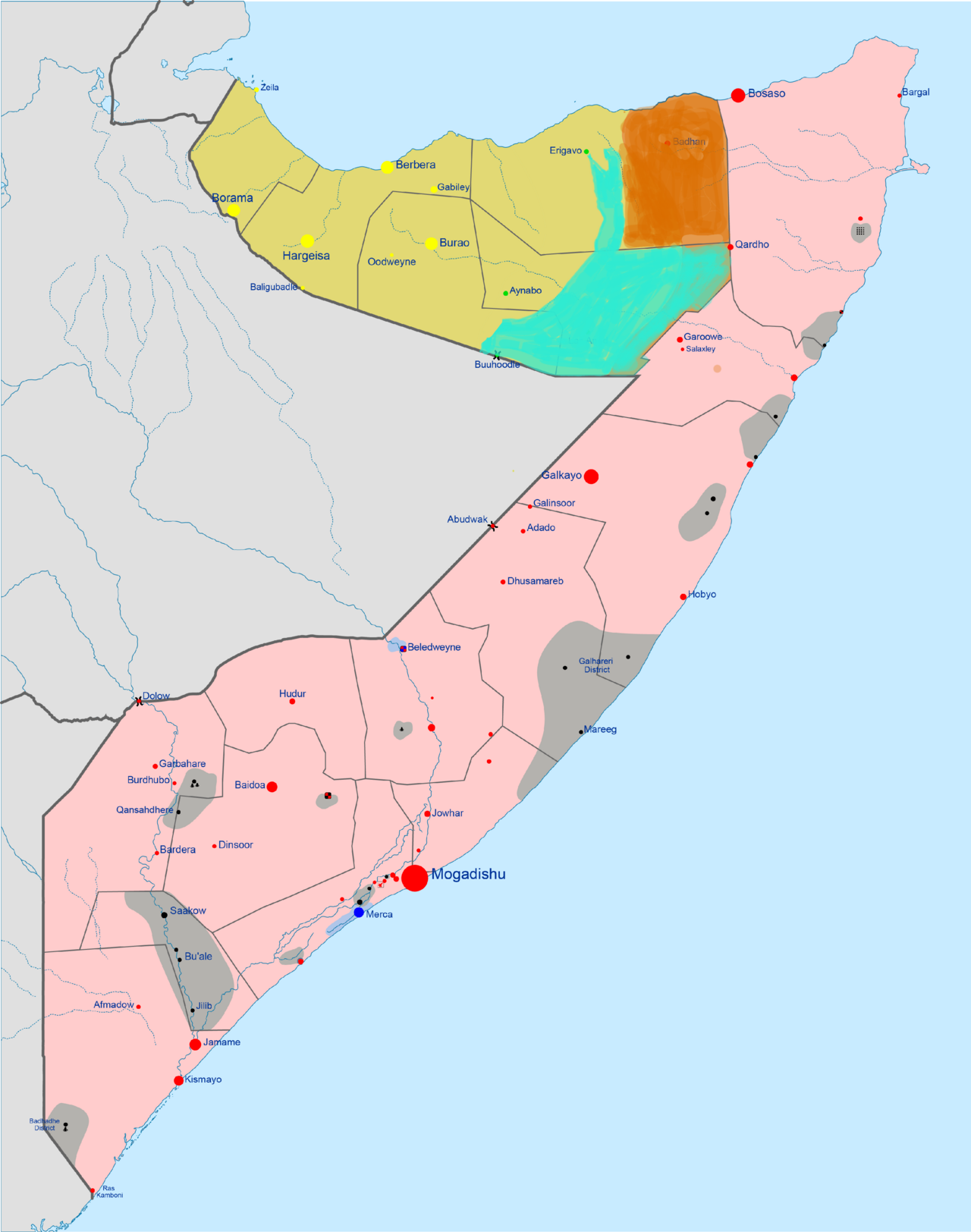
The prolonged absence of a functioning federal government allowed regions to carve out semi-autonomous entities, most visibly Somaliland in the north and Puntland in the northeast. The security gap also created fertile ground for the rise of Al-Shabaab as a militant force in the 2000s.
Why is the Somali Civil War considered important in the broader story of African post-colonial conflicts?
It is a frequently cited case study of how the removal of a single authoritarian ruler, without a unifying national institution behind him, can trigger decades of clan-based fragmentation. The war also illustrates how post-colonial border structures and clan politics interact to make state-building extraordinarily difficult in the Horn of Africa.
More in African Conflicts And Colonialism 1-17
Spotted an error? Know more?
This is a living reference — every entry is fact-audited, and reader corrections feed straight into our audit queue. Suggest an edit · See this site's audit record