Somali Civil War (2009–present)
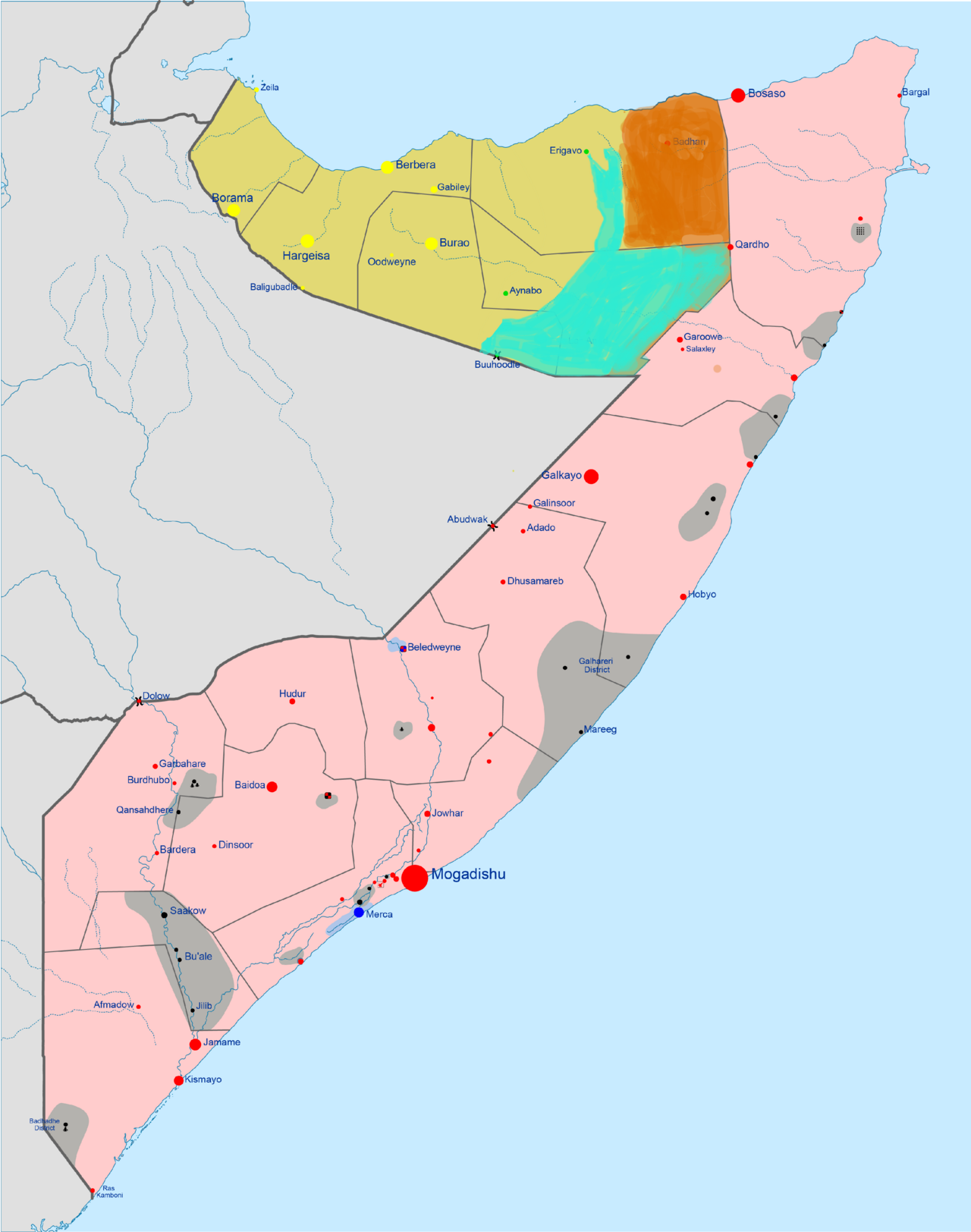
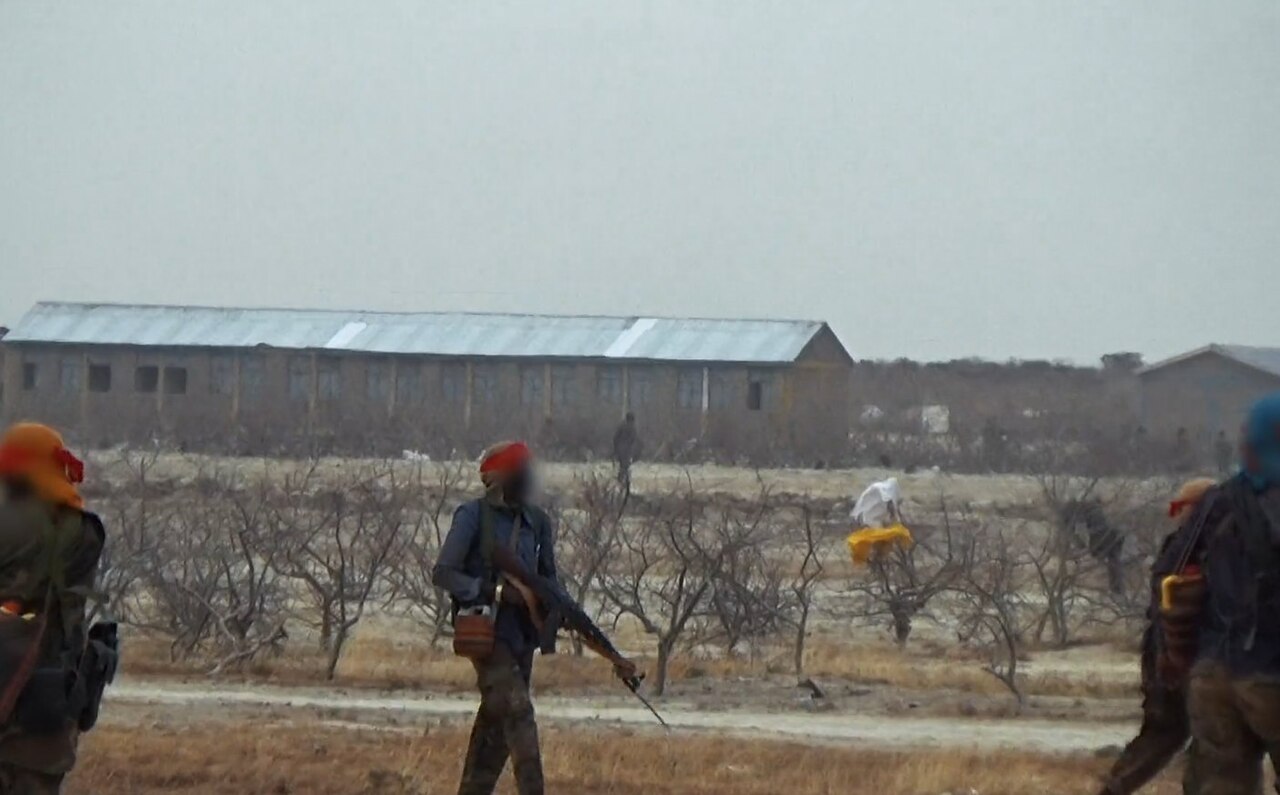
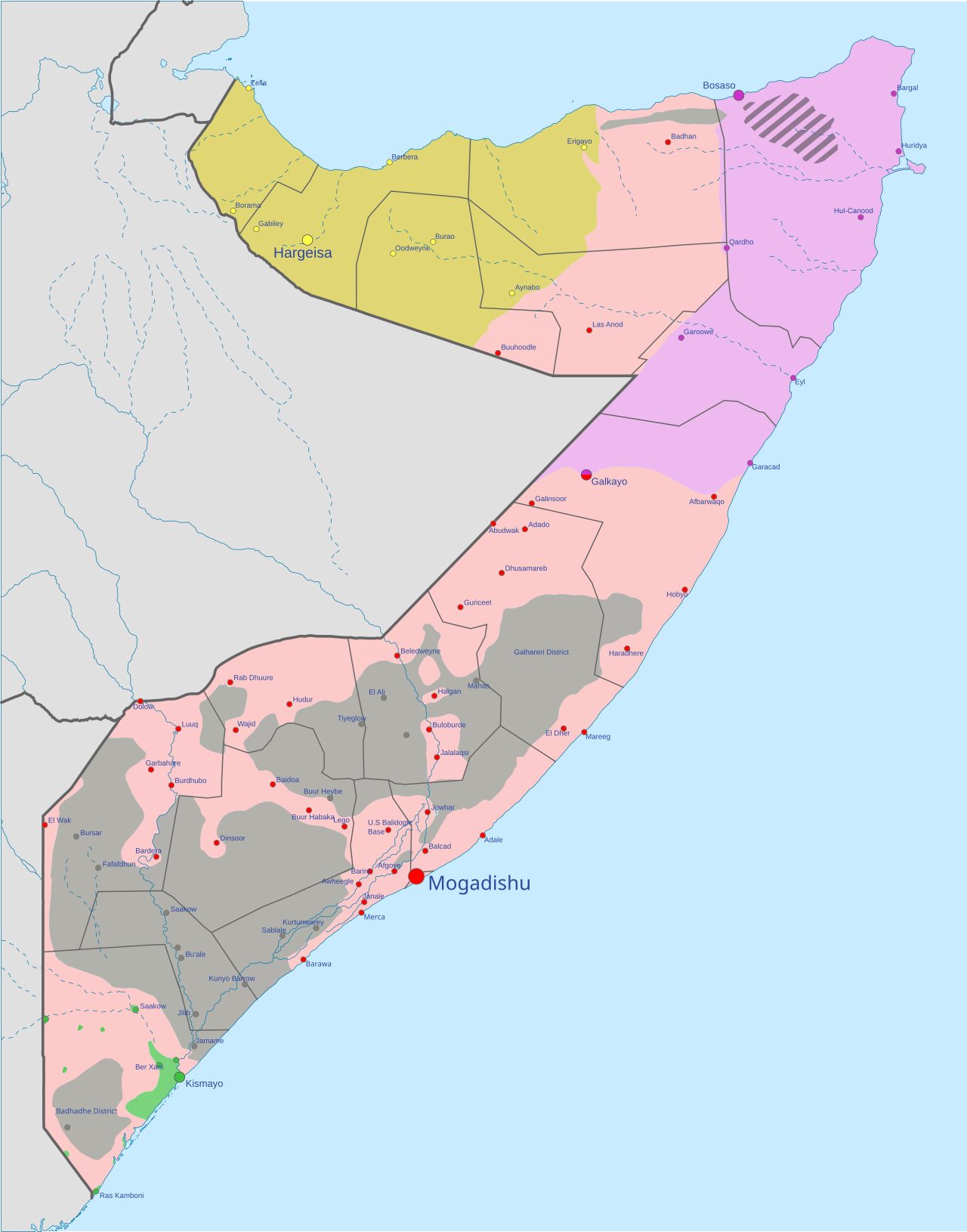
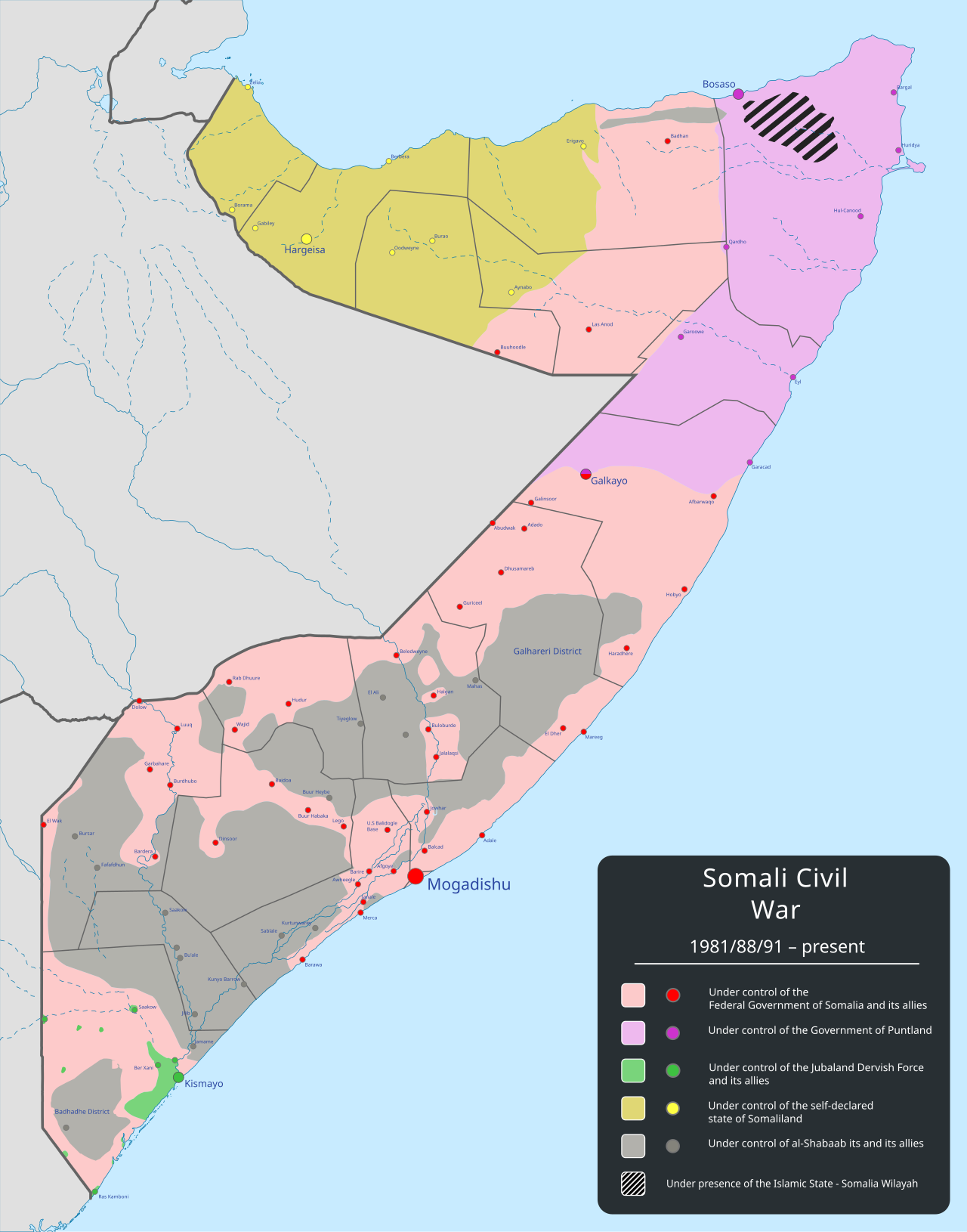
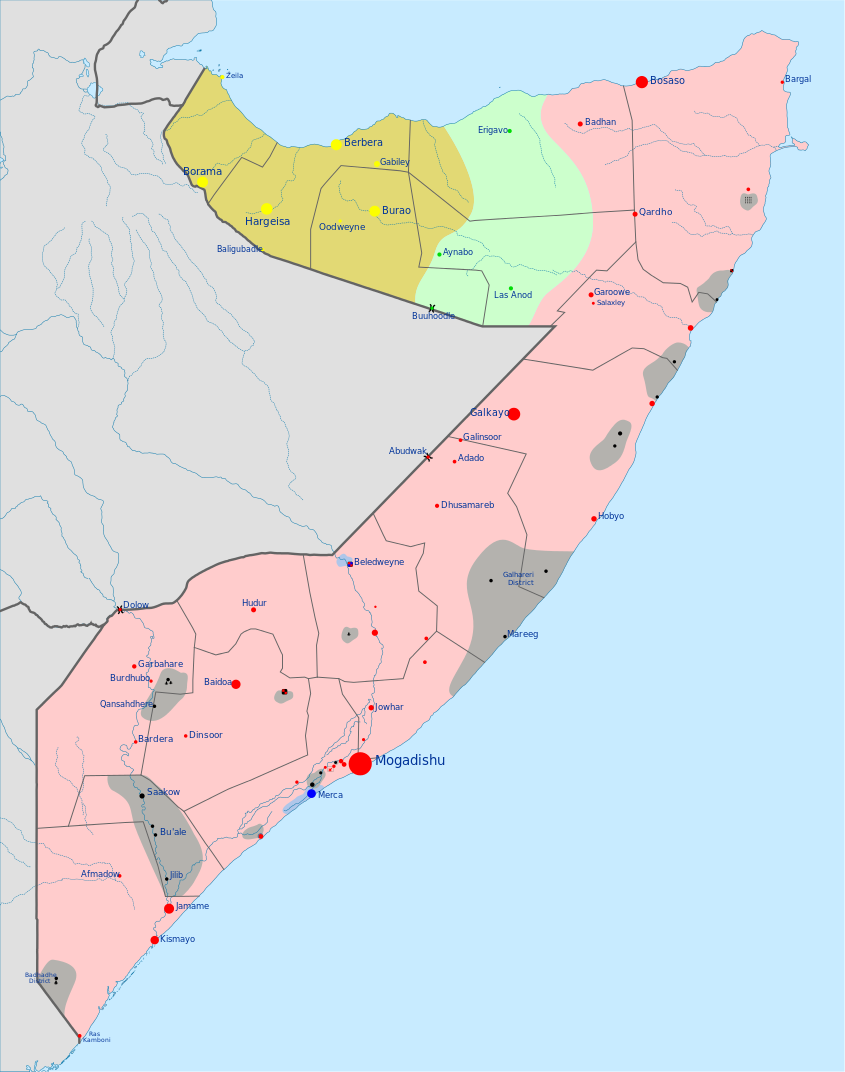
Ongoing conflict between Somali government and al-Shabaab militants.

X-Wu-Z · CC BY 4.0
- region
- Southern and central Somalia
- primary_belligerents
- Federal Government of Somalia (FGS), African Union peacekeepers (AMISOM) vs. al-Shabaab
- key_event_2012
- Al-Shabaab pledged allegiance to al-Qaeda
Reader's Guide
The war's legacy includes the transformation of al-Shabaab from a fringe entity into the predominant insurgent force, and the continued instability in rural areas.
The Military Campaign and Decisive Foreign Intervention
The Ogaden War erupted in July 1977 when Somalia launched a full-scale invasion of Ethiopia, ostensibly to back the Western Somali Liberation Front's insurgency for control of the Ogaden plateau. What began as a regional liberation effort quickly escalated into a full inter-state confrontation. The turning point came when the Soviet Union, initially aligned with Mogadishu, reversed course in disapproval of the Somali offensive and redirected its backing toward Addis Ababa. This geopolitical pivot delivered a massive $1 billion airlift of military hardware to Ethiopia, alongside the deployment of over 12,000 Cuban troops and airmen together with roughly 1,500 Soviet military advisors under the command of General Vasily Petrov. The combined Ethiopian-Cuban force, fielding 300 tanks, 156 artillery pieces, and 46 combat aircraft, delivered a devastating blow on 23 January 1978 when Cuban armored brigades inflicted the heaviest single-action losses Somali forces had suffered since the war began. Pushing systematically through Harar and Jijiga, the coalition drove Somali troops back across the border, and by 23 March 1978 the Ethiopian government announced the recovery of the final border post, bringing the conflict to a close.
Colonial Inheritance and the Ogaden Question
The Ogaden is a vast plateau in the Horn of Africa, overwhelmingly populated by Somali people and representing the westernmost extent of Somali habitation in the region. Long before European colonial powers drew arbitrary borders, organized Somali communities occupied the territory freely, and independent historical accounts agree that prior to the late 1880s the area was neither under Ethiopian imperial control nor unclaimed land. Ethiopian Emperor Menelik II, seeking to expand his empire during the same period European powers were advancing into the Horn, launched incursions into Somali-inhabited territories. The Ethiopian state imported large quantities of European firearms while colonial powers simultaneously blocked Somali access to weapons, fundamentally disrupting the regional balance of power. Control was exercised through periodic raids aimed at seizing livestock as tribute. In 1897, the British signed the Anglo-Ethiopian Treaty, ceding substantial Somali territory to Ethiopia in exchange for commercial privileges and Ethiopian neutrality during the Mahdist War. The escalating violence of imperial raids between 1890 and 1899, particularly around Jigjiga, galvanized Somali resistance under the Dervish Movement led by Sayyid Mohamed Abdullah Hassan.
Catastrophic Losses and the Seeds of Civil War
The human and institutional toll of the Ogaden War on Somalia was staggering. Nearly one-third of the regular Somali National Army's personnel were lost during the conflict, while three-eighths of the country's armored units were destroyed or rendered inoperable. The Somali Air Force suffered the most devastating blow, with half of its fleet wiped out. Beyond the raw numbers, the psychological and organizational damage proved equally severe. The army that remained was described as disorganized and deeply demoralized, stripped of both its equipment and its confidence. Compounding this military collapse, the Somali public turned sharply against the regime, expressing heavy disapproval of the government's decision to wage war and its subsequent humiliation on the battlefield. The combination of a shattered military institution and a populace that had lost faith in its leadership created fertile ground for internal unrest. A revolt erupted within the ranks of the army itself, and this internal fracture rapidly spiraled beyond military confines, ultimately igniting the protracted Somali Civil War that has persisted into the present day. The Ogaden War thus stands as the critical precursor to decades of internal conflict in the Horn of Africa.
Cold War Realignment and the Superpower Gambit
The Ogaden War became one of the most dramatic geopolitical realignments of the Cold War era. When Somalia launched its 1977 invasion of Ethiopia, the Soviet Union—previously a key military patron of Mogadishu—expressed clear disapproval of the offensive. In a decisive strategic reversal, Moscow withdrew its support from Somalia and redirected its backing toward Addis Ababa, fundamentally altering the balance of the conflict. The Soviet commitment to Ethiopia was enormous in scale: a $1 billion military supply airlift was organized, and more than 12,000 Cuban soldiers and airmen were deployed to the theater alongside approximately 1,500 Soviet military advisors. The operation was led by General Vasily Petrov, and the combined force brought 300 tanks, 156 artillery pieces, and 46 combat aircraft to bear against Somali positions. This intervention not only saved Ethiopia from what had appeared to be imminent defeat and permanent territorial loss but also demonstrated the raw power of superpower-backed military coalitions in the Horn of Africa. The episode underscored how quickly Cold War alliances could shift based on strategic interests, leaving Somalia isolated and its military infrastructure in ruins.
Gallery
Frequently Asked Questions
What is the Somali Civil War (2009–present)?
It marks the current, still-active stage of Somalia's long-running internal war, centered in the country's southern and central regions. The fight is essentially between the Federal Government of Somalia backed by African Union peacekeepers and the Islamist insurgent group al-Shabaab.
Why does the Somali Civil War (2009–present) matter in the broader context of African conflicts?
It remains one of the longest-running active insurgencies on the continent and has shaped regional security dynamics across the Horn of Africa. The involvement of the African Union as a peacekeeping actor also made it a notable test case for continental security cooperation.
More in African Conflicts And Colonialism 1-17
Spotted an error? Know more?
This is a living reference — every entry is fact-audited, and reader corrections feed straight into our audit queue. Suggest an edit · See this site's audit record