Rwandan genocide

Adam Jones, Ph.D. · CC BY-SA 3.0
Over approximately 100 days, members of the Tutsi ethnic group, as well as some moderate Hutu and Twa, were systematically killed by Hutu militias.
- duration
- around 100 days
- location
- Rwanda
Lore & Background
The genocide was marked by extreme violence, with victims often murdered by neighbours, and widespread sexual violence. The international community failed to intervene to stop the killings. The Rwandan Patriotic Front (RPF), a predominantly Tutsi rebel group, resumed military operations in response to the genocide, eventually defeating government forces and ending the genocide by capturing all government-controlled territory.
Reader's Guide
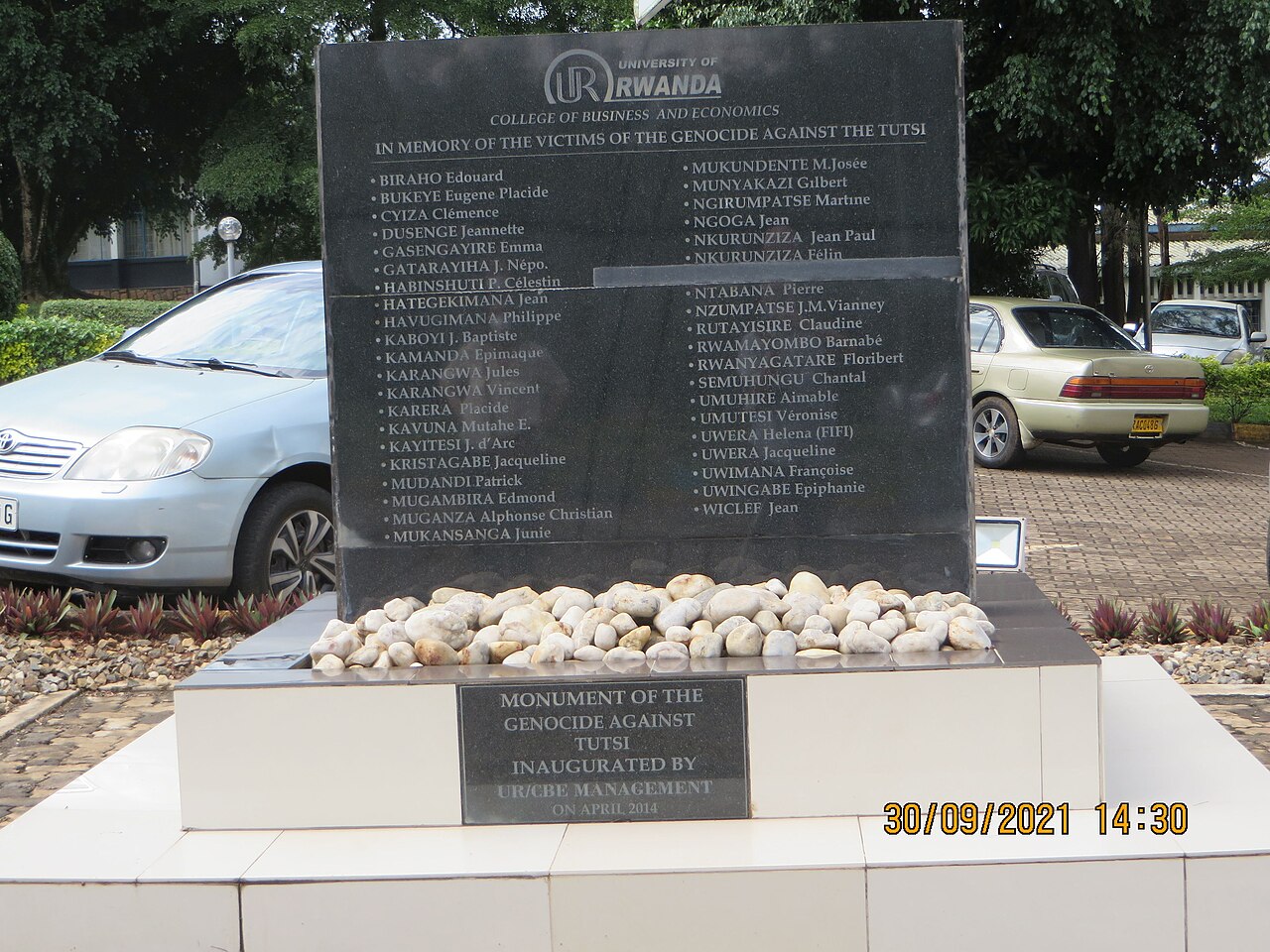
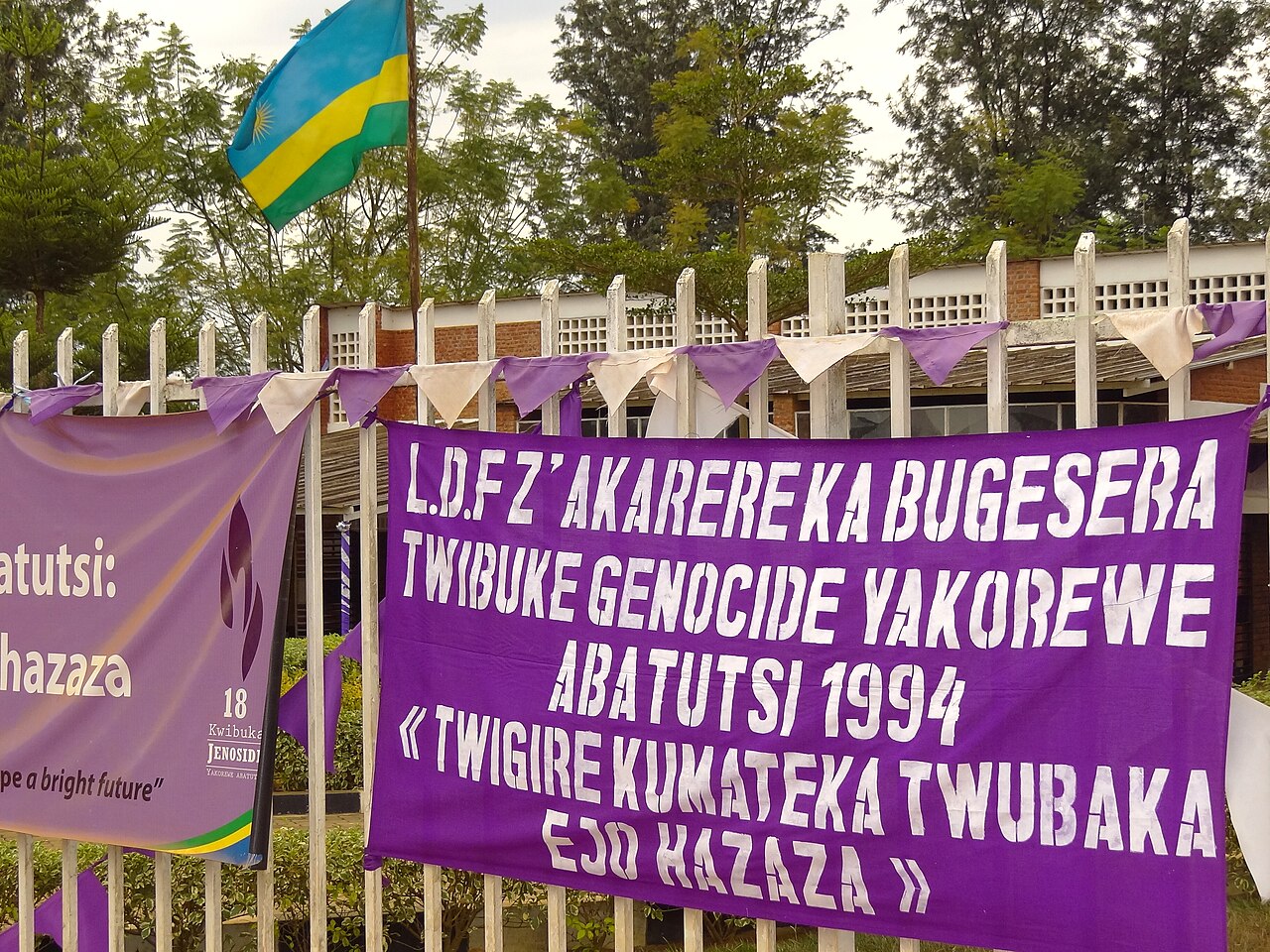
The Rwandan genocide's legacy remains significant in Rwanda. The country has instituted public holidays to commemorate the event and passed laws criminalizing 'genocide ideology' and 'divisionism'. The event underscores the consequences of ethnic division and international inaction.
Did You Know?
- The genocide occurred over a span of around 100 days.
The Hundred Days of Slaughter
The genocide unfolded between 7 April and 19 July 1994, a roughly 100-day window during which Tutsi civilians, alongside moderate Hutu and Twa individuals, were methodically targeted and killed by Hutu militias. The Rwandan Constitution records a death toll exceeding one million, though most academic estimates place the number of Tutsi killed between 500,000 and 662,000. What made the violence particularly horrifying was its intimate character: victims were frequently slain not by distant soldiers but by their own neighbours, collapsing the social fabric of everyday community life. Alongside the killings, sexual violence was wielded as a weapon of war, with an estimated 250,000 to 500,000 cases of rape documented. The systematic nature of the targeting—aimed at an entire ethnic group as well as political moderates—distinguished this from ordinary civil-war violence and placed it squarely within the definition of genocide.
Colonial Roots and the Road to 1994
The ethnic divisions that made the 1994 slaughter possible were not purely organic. In the early 1930s, Belgian colonial administrators introduced compulsory identity cards that classified every Rwandan as Hutu, Tutsi, Twa, or Naturalised, freezing what had previously been fluid socio-economic distinctions into rigid racial categories. Before that, the German colonial period had already favoured Tutsi in administrative appointments, reinforcing a hierarchy. Christian missionaries further entrenched the divide by promoting the Hamitic origin theory, portraying Tutsi as ethnically foreign. These colonial mythologies later supplied the ideological fuel for anti-Tutsi propaganda. Domestically, the Hutu Revolution of 1959 to 1962 drove Tutsi into exile in Uganda, and the 1990 invasion by the predominantly Tutsi Rwandan Patriotic Front reignited hostilities. The Arusha Accords of 1993 offered a fragile peace, but the assassination of President Juvénal Habyarimana on 6 April 1994 shattered it, creating the power vacuum Hutu extremists exploited to launch the genocide.
International Silence and Military Aftermath
Despite the staggering scale of the killings, the international community did not intervene to halt the massacres, a failure that remains one of the most cited examples of collective inaction in modern history. The military resolution came instead from within Rwanda: the RPF resumed offensive operations, progressively defeating government forces and ultimately capturing all territory under government control, thereby ending the genocide. The collapse of the Habyarimana-aligned state triggered a massive exodus, as génocidaires and large numbers of Hutu civilians fled into neighbouring Zaire, now the Democratic Republic of the Congo. This displacement did not simply end the crisis; it exported it, contributing to prolonged regional instability and directly helping to trigger the First Congo War in 1996. The trajectory from a domestic genocide to a cross-border conflict illustrates how the failure to stop the initial atrocities set in motion a chain of violence that engulfed the broader Great Lakes region.
Commemoration, Law, and the Ongoing Legacy
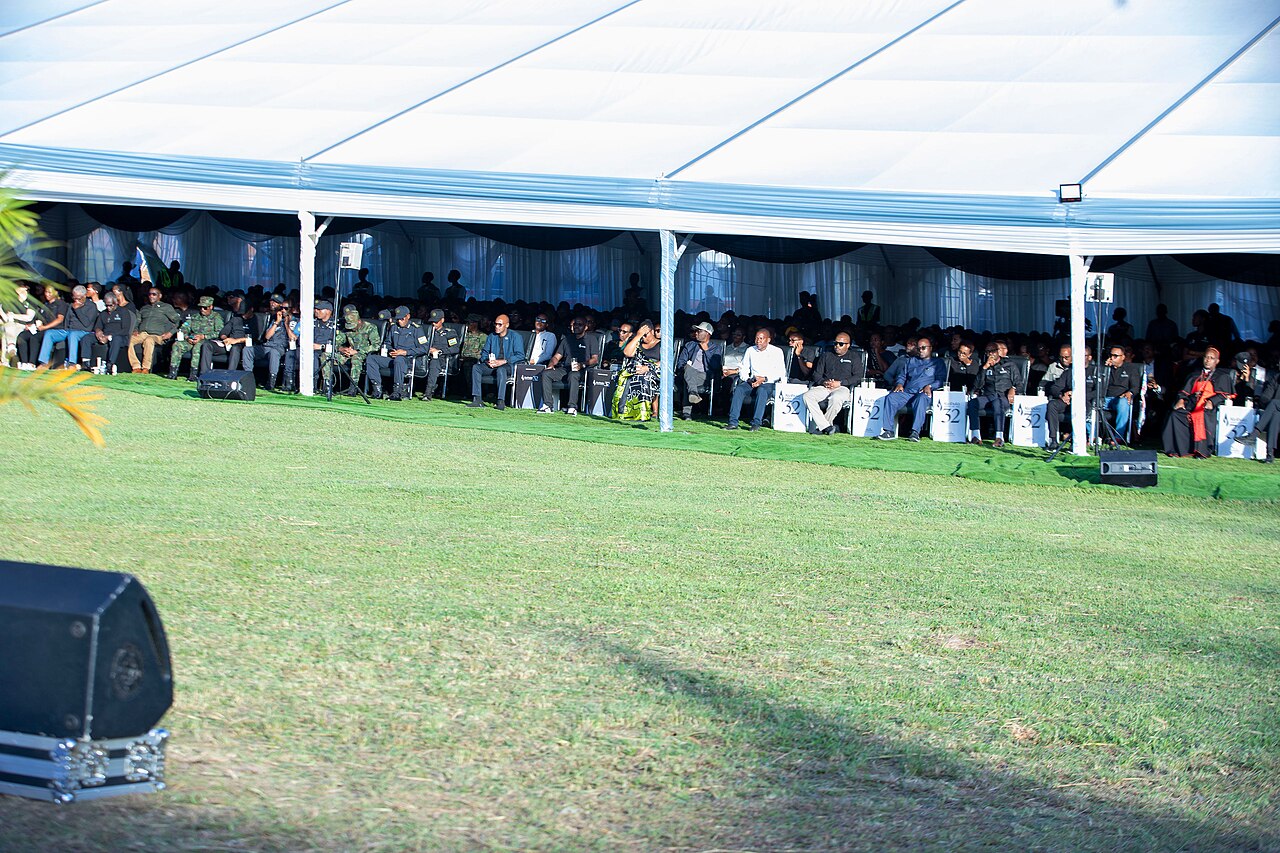
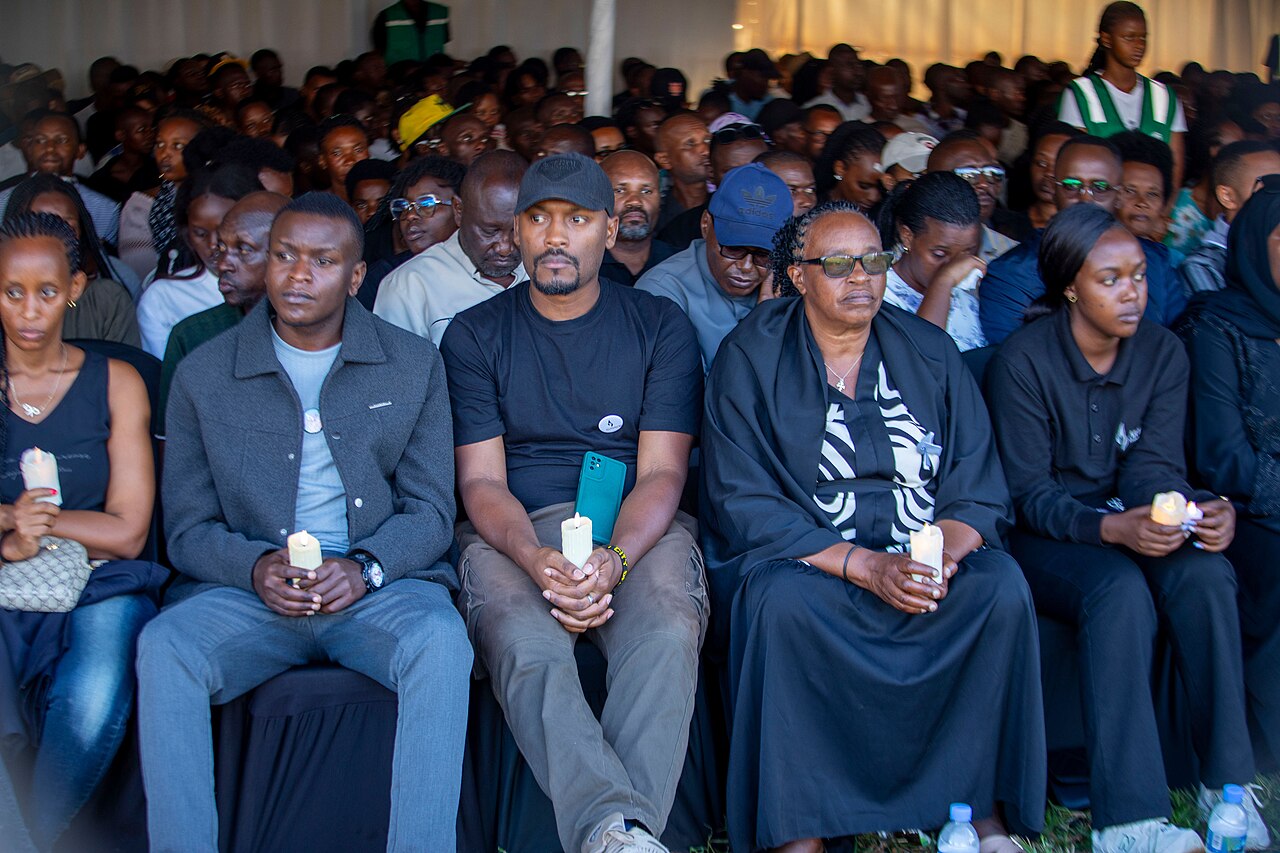
Rwanda has made the memory of the genocide a central pillar of national identity. The state observes public holidays dedicated to commemorating the victims, ensuring that the events of 1994 are formally remembered each year. Beyond remembrance, the government has enacted legislation that criminalizes what it terms genocide ideology and divisionism, effectively making the promotion of ethnic hatred a punishable offence. These legal measures reflect a deliberate attempt to prevent the ideological groundwork that preceded the 1994 killings from re-emerging. The legacy extends beyond Rwanda's borders as well: the refugee flows into Zaire and the subsequent First Congo War demonstrated that the genocide's consequences rippled across the region. For the Banyarwanda—Hutu, Tutsi, and Twa, who share a common language and cultural heritage—the challenge of reconciliation and the prevention of renewed ethnic polarization remain defining tasks of the post-genocide era.
Gallery
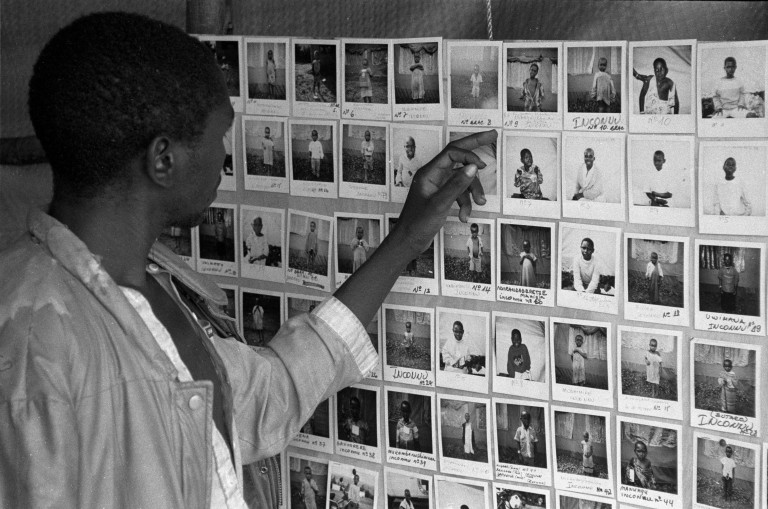

Frequently Asked Questions
Who was targeted during the Rwandan genocide?
The primary victims were members of the Tutsi ethnic group, though moderate Hutu politicians and members of the Twa community were also systematically killed. The perpetrators were largely Hutu militias and government-aligned forces operating across the country.
More in African Conflicts And Colonialism 1-17
Spotted an error? Know more?
This is a living reference — every entry is fact-audited, and reader corrections feed straight into our audit queue. Suggest an edit · See this site's audit record